
LDPE vs HDPE Produce Roll Bags: A Complete Buyer’s Guide for Malaysian Retailers
Produce roll bags, also known as bag on roll, are a staple in every Malaysian supermarket, wet market, and grocery store. Shoppers use them to pack vegetables, fruits, frozen items, and small loose goods. Although they look simple, the material you choose directly affects cost control, customer experience, and product freshness.
If you’re a retailer comparing LDPE vs HDPE produce roll bags, this guide explains everything, from the basics to expert-level selection criteria and why choosing the right supplier matters.
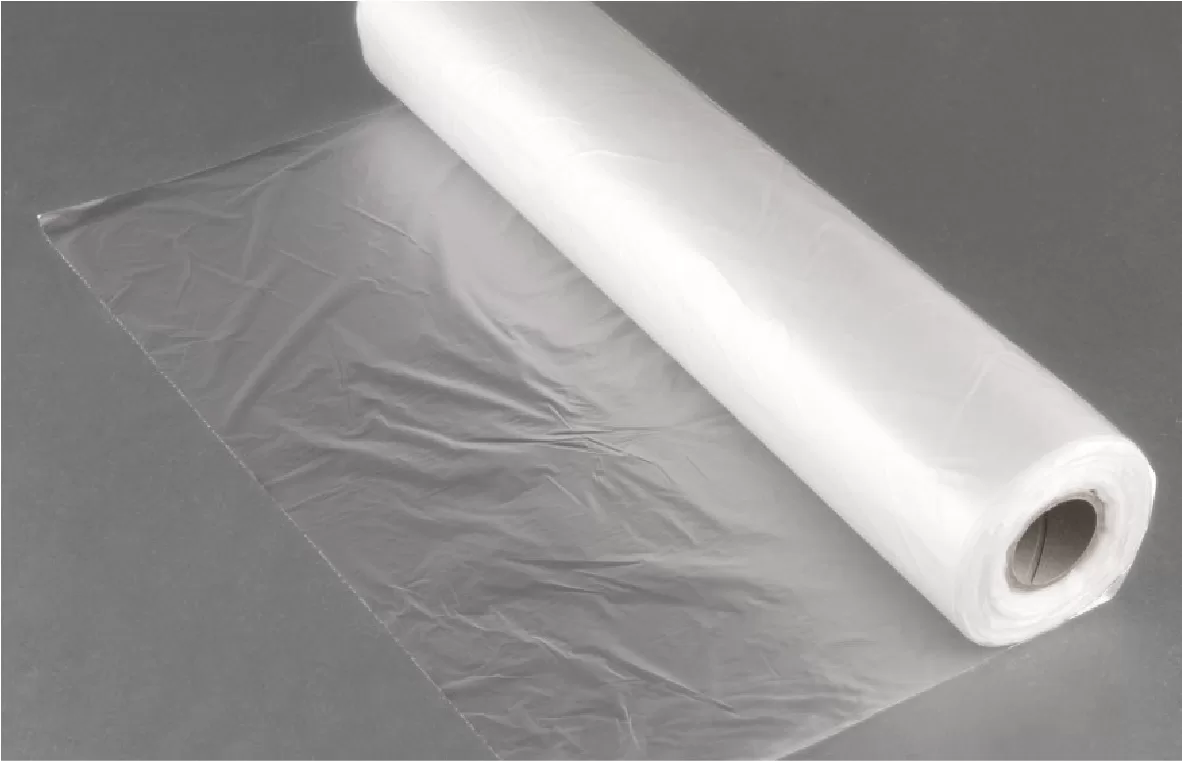
What Are Produce Roll Bags?
Produce roll bags are lightweight plastic bags rolled onto a core. Customers pull, tear, and open them easily when packing fresh produce.
Many new buyers do not realise that there are 2 common materials used globally:
- LDPE (Low-Density Polyethylene) – Soft, flexible, slightly stretchy
- HDPE (High-Density Polyethylene) – Strong, thin, crisp texture
In Malaysia, supermarkets such as NSK, Aeon Big, and Village Grocer primarily use HDPE produce roll bags because they offer lighter weight and more rolls per carton, which reduces operating cost.
Why They Matter to Supermarkets
Choosing the right produce roll affects:
- Customer convenience (easy to tear, easy to open)
- Product hygiene
- Storage cost
- Roll change frequency
- Material efficiency and waste output
- Overall monthly packaging cost
A poorly selected material can cause complaints like “bag hard to open,” “bag tears easily,” or high consumption due to excessive thickness.
LDPE vs HDPE: What Malaysian Retailers Should Know

Although LDPE and HDPE are both polyethylene materials, their performance differs significantly.
1. Strength and Thickness
HDPE is the preferred choice for high-volume retail because it retains strength even at lower thickness.
| Material | Strength | Typical Micron | Notes |
|---|---|---|---|
| LDPE | Moderate | Needs thicker film | Soft and stretchy |
| HDPE | Very strong | Can be thin (7–12 microns is common) | Crisp, rigid feel |
2. Cost Efficiency
HDPE uses less material to achieve the same strength, which means:
- lower cost per bag
- more bags per roll
- fewer roll replacements
LDPE produce rolls are more expensive due to the thicker film needed.
3. Typical Applications
- LDPE: premium produce, bakery, items requiring soft touch
- HDPE: fruits, vegetables, wet items, general grocery packing
For Malaysian supermarkets, HDPE wins 90% of the use cases.
Do Malaysian Produce Roll Bags Follow Any National Standard?
Malaysia does not have a specific government standard governing produce roll bags (such as mandatory micron or density).
However, most established retailers follow internal quality specifications, such as:
- Micron range (7–12 microns for standard produce)
- Tensile strength
- Clarity and transparency level
- Roll length and bag count
- Food-contact safety compliance
Enrich follows international food-safe packaging standards and can customise specifications based on your supermarket’s internal SOP.
How to Choose the Right Produce Roll Bag?
If you already understand LDPE and HDPE fundamentals, here is the expert-level selection checklist.
1. Define Your Use Case
Different sections require different strength levels:
- Dry produce (onions, potatoes): standard HDPE 8–10 microns
- Leafy vegetables: thinner HDPE 7–9 microns
- Frozen items: HDPE 12 microns or higher
- Fruit packing stations: higher clarity HDPE
Choosing more than needed results in unnecessary cost.
2. Roll Size and Bag Count
Buying too few bags per roll increases labour cost.
Buying too many bags per roll makes rolls bulky and harder to store.
Common supermarket request: 500–700 bags per roll
Enrich can customise based on shelf size and dispenser design.
3. Clarity and Opening Ease
HDPE can be formulated for:
- higher transparency
- easier opening
- non-stick texture
- stronger seal
If customers struggle to open bags, it slows down the produce section queue.
4. Cost Control Through Material Efficiency
Enrich optimises:
- film thickness
- roll weight
- bag width/length
- sealing strength
to help retailers reduce 5–15% annual packaging cost without affecting performance.
Why Choose Enrich for Produce Roll Bags in Malaysia?
Enrich manufactures HDPE bag-on-roll produce bags, tailored for Malaysian grocery operations.
Our advantages include:
- Food-grade material with ISO-certified quality
Suitable for fruits, vegetables, and wet items. - Custom thickness to control cost
We help retailers optimise micron levels based on actual usage. - Smooth tearing & easy opening
Engineered for fast customer use. - High-strength HDPE film
More bags per roll, fewer roll changes, lower storage cost. - Consistent supply for high-volume retailers
Suitable for supermarket chains, wholesalers, and e-commerce grocers. - Custom roll size, bag size, and packaging
Fits your current bag dispensers and shelf layouts.
Real Malaysian Use Cases
Supermarket Fresh Produce Area
A retailer previously used 12-micron LDPE bags. Switching to Enrich’s 9-micron HDPE reduced their monthly bag cost by 20% while improving customer opening ease.
Wet Market Vegetable Sellers
HDPE provides better durability when handling wet produce and ice.
Frozen Section
Higher-micron HDPE keeps moisture out and seals firmly for cold environments.
These improvements come from correct material selection + manufacturing consistency.
Conclusion
Choosing between LDPE and HDPE produce rolls affects more than just packaging — it impacts customer satisfaction, cost control, and store efficiency. For most Malaysian retailers, HDPE offers the best balance of strength, clarity, and cost savings.
If you want a reliable, food-safe supplier that understands supermarket operations, Enrich can customise produce roll bags according to your exact needs.
Ready to optimise your supermarket’s produce roll bags?
Get tailored HDPE produce roll specifications, accurate costing, and fast delivery across Malaysia.
FAQ About Produce Roll Bags for Malaysian Retailers
What are produce roll bags and why are they used?
Produce roll bags are thin plastic bags supplied on a roll, primarily used in supermarkets, wet markets, and grocery stores for packaging fruits, vegetables, and other fresh produce. They help keep products clean, organized, and easy for customers to carry.
What is the difference between LDPE and HDPE produce roll bags?
LDPE (Low-Density Polyethylene) bags are softer, more flexible, and offer higher clarity, making them ideal for delicate fruits and leafy vegetables. HDPE (High-Density Polyethylene) bags are stiffer, more tear-resistant, and cost-effective, suitable for heavier produce like root vegetables or bulk items.
How do I choose the right produce roll bag for my store?
Consider your product type, bag thickness (micron), tensile strength, clarity, and expected usage. For delicate or high-value produce, LDPE is often preferred; for heavier items or high-volume packing, HDPE works better.
Can Enrich customize produce roll bags for Malaysian supermarkets?
Yes. Enrich offers custom widths, lengths, bag counts per roll, and printing options. We ensure compliance with food-contact safety standards and tailor products to meet your supermarket’s operational SOPs.
Are produce roll bags safe for direct food contact?
Yes. Enrich produce roll bags are manufactured with food-grade plastics that meet international safety standards. They are suitable for handling fresh fruits, vegetables, and other food items without risk of contamination.
Disclaimer:
We hope you found this article informative. Our content is intended for general informational purposes only and does not constitute advice or necessarily reflect the full range of services offered by Enrich Package (Malaysia) Sdn. Bhd.
Readers are advised to consult with a qualified industry professional and contact our experts for packaging recommendations specific to their individual business needs. While we strive for accuracy and completeness in our blog posts, we cannot guarantee they are error-free. Enrich Package (Malaysia) Sdn. Bhd. assumes no responsibility for any errors or omissions.